What We Do

Services

Here's everything we build, fix, and refinish, from framing to the final coat of stain.

HomeServices

Everything we take on

Every job below is one we do ourselves across Mesquite.

Deck Installation

We dig footings below the clay soil's active zone and pour concrete piers so the frame doesn't heave the first wet spring. Joists go 16 inches on center under standard decking, tighter under composite if the manufacturer calls for it. You pick pressure-treated pine, cedar, or composite for the walking surface.

Custom Deck Design

Some yards call for a second level to clear a walkout basement door, others call for stairs that turn twice to avoid a septic line. We draw the layout, figure the beam spans, and show you where the posts land before any concrete gets mixed. Benches, planters, and built-in lighting get worked into the framing instead of bolted on after.

Deck Repair

Most repair calls start with a soft spot near the house, and that's almost always water getting behind the ledger board flashing. We pull the bad boards, check the joists underneath for rot, and re-flash the ledger before anything goes back down. Loose rails and popped screws get fixed the same visit if the frame underneath is sound.

Deck Staining & Sealing

Texas sun bleaches and dries out deck boards faster than most people expect, so we pressure wash and let the wood dry a full day before staining. A semi-transparent oil-based stain soaks into pine and cedar better than a solid color, though solid stain hides older boards that have already started to gray. Plan on redoing it every two to three years if the deck gets full sun.

Composite Decking

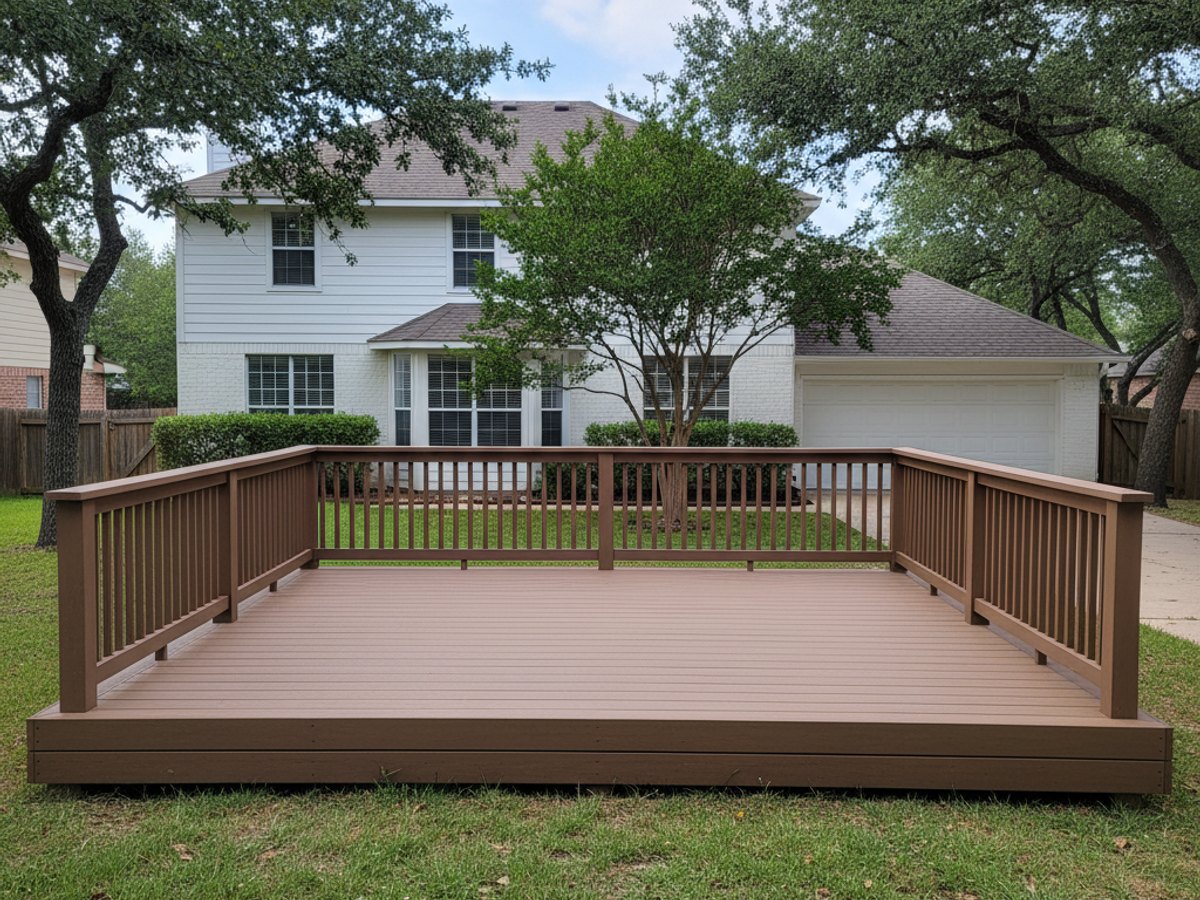
Composite boards don't stain and won't splinter, which matters if you've got kids running around barefoot. We install with hidden fastener clips so the top surface has no exposed screw heads, and we leave the expansion gap the manufacturer specs for Texas heat swings. It costs more up front than pressure-treated pine, but there's no sealing every couple of years.

Deck Railing Repair & Installation

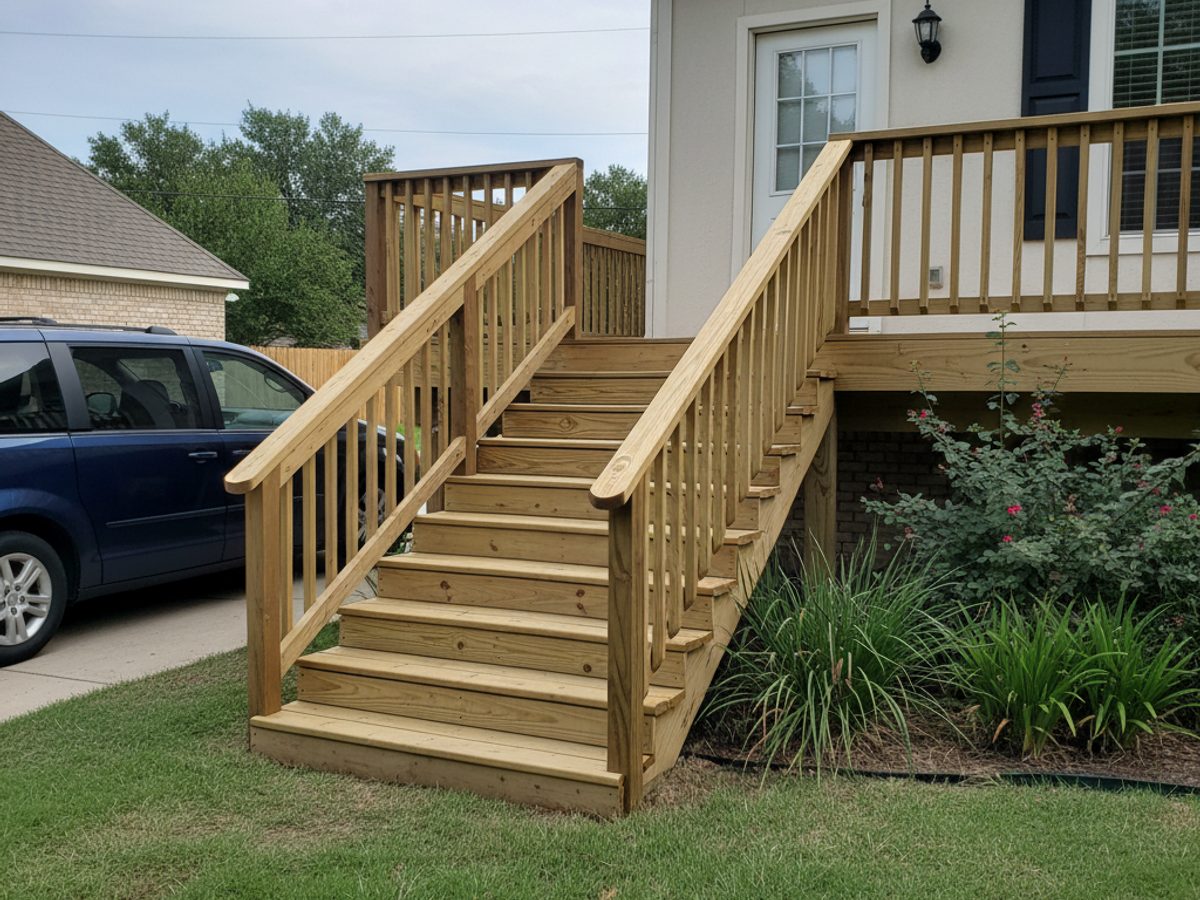
Code calls for baluster gaps under 4 inches, and we check that on every rail we build, not just new construction. Wobbly posts usually mean the bolts loosened or the post was never through-bolted to the rim joist in the first place. We'll rebuild with wood balusters, metal panels, or cable rail depending on the look you want and what the frame can carry.

Deck Replacement

If the footings are still solid and set at the right depth, we can build new framing on top of them instead of breaking out concrete. Everything above grade, joists, beams, decking, and rail, comes off and gets replaced to current span tables. It usually costs less than starting from bare dirt, but only if the old posts pass inspection.

Screened-In Porches

A screened porch ties into your existing roofline or gets its own shed roof, framed to shed water away from the house. We frame the screen panels separately from the structure so a torn screen is a quick fix, not a rebuild. It's the option most people ask for after a summer of fighting mosquitoes on an open deck.

Deck Demolition & Removal

We pull nails and nail plates as we go, not after, so a torn-up deck doesn't leave hardware buried in your yard. Everything, decking, joists, old concrete footings if you want them gone, gets hauled off in our trailer. Demo is usually a day or less for a standard deck, unless the ledger board turns out to be bolted through brick veneer.

Pergolas & Shade Structures

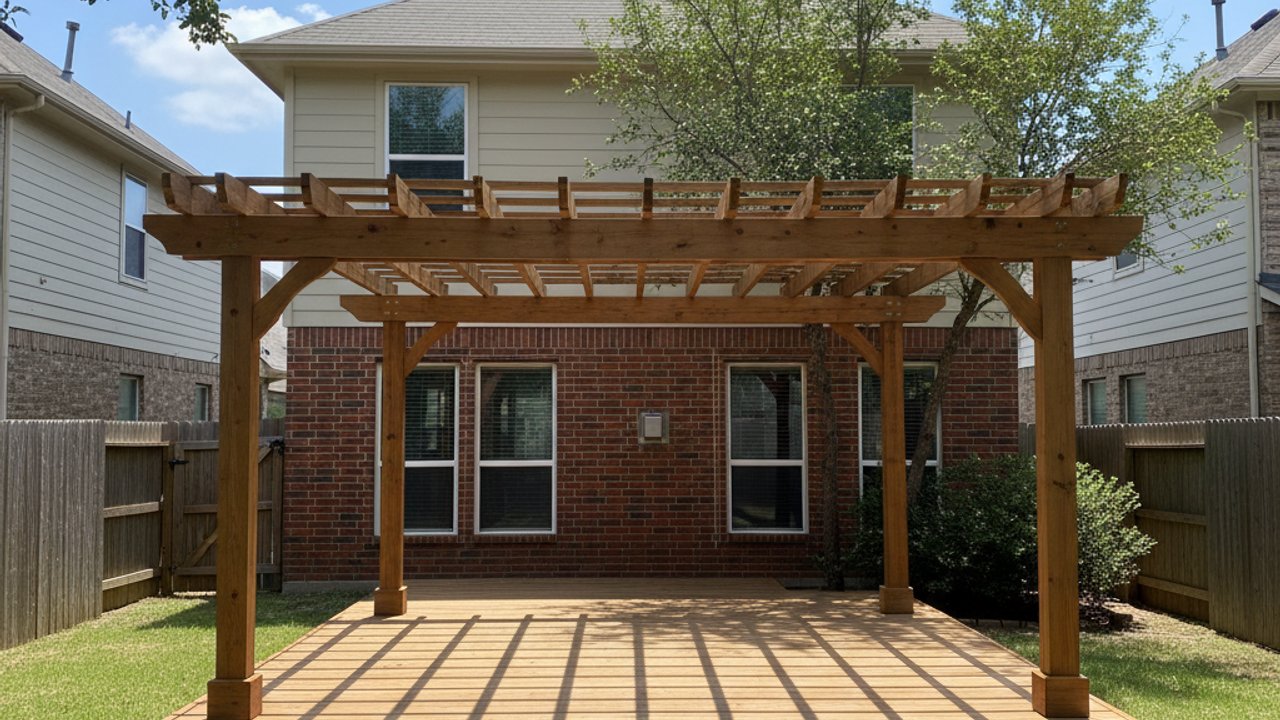
A pergola needs posts set as deep as a deck footing if it's going to stand up to Texas wind, we don't skimp on that just because there's no roof load. Rafter spacing and beam size depend on whether you want it open or plan to run a shade cloth or polycarbonate panel across it later. We can attach it to the house or set it freestanding out in the yard.

How It Works

Four steps, and no surprises in any of them.

01

We come and look

You tell us what you want doing, we look at what is actually there, and we ask the awkward questions early.

02

You get a price

In writing, itemised, free. If something might add cost later we flag it now rather than at the end.

03

We do the work

Same crew throughout. We cover your floors, keep the dust down and tidy up before we leave each day.

04

We walk it with you

You point out anything you are not happy with and we fix it before the invoice, not after.

Where We Work

All of this, across Mesquite, TX

Deck installation and repair covers Mesquite, TX and the surrounding area.

Mesquite, TX
Dallas, TX
Garland, TX
Irving, TX
Richardson, TX
Rowlett, TX
Wylie, TX
Rockwall, TX
Balch Springs, TX
Forney, TX
Terrell, TX
Common Questions

Things worth asking

Questions that come up once a project is underway.

Do I need a permit to build a deck?
Most cities in the Mesquite, TX area require a permit for any deck attached to the house or built more than a certain height off the ground, since inspectors check footing depth and railing height for code compliance. Permit requirements and fees vary by city, so this is confirmed with the local building department as part of the estimate process.
How long does it take to build a deck?
A standard single-level deck usually takes one to two weeks from the first footing to the final board, depending on size and whether stairs and railing add extra framing time. Multi-level decks or ones with built-in seating and lighting take longer since more of the layout is custom-built on site rather than assembled from a standard plan.
Can you build a deck to fit my budget?
Pressure-treated pine framing with a simple rail keeps cost down, while composite decking, cable rail, and multi-level layouts add cost in that order. A written estimate breaks out each cost so a homeowner can see where trimming size or swapping materials actually saves money.
Do you guarantee your deck work?
Workmanship on framing, footings, and railing is typically covered for a period after completion, separate from any manufacturer warranty on the decking material itself, such as composite boards. Specific warranty terms are included in the written estimate and contract.
Who do I deal with day to day during the project?
One point of contact handles scheduling, material questions, and any changes that come up once framing starts, rather than switching between different people for different stages of the job. That contact is available by phone throughout the project for updates or questions.
What decking material should I choose?
Pressure-treated pine costs the least upfront but requires staining every two to three years to hold up against Texas sun and rain. Composite decking, cedar, and PVC boards cost more initially but require less or no staining, with composite being the most common upgrade for homeowners who don't want a recurring maintenance job.
Can I still use my yard while the deck is being built?
Most of the yard stays usable during construction, though the immediate work area around the footings and framing has to stay clear for safety and material staging. Pets and kids are best kept away from the active work zone until framing and railing are complete.
What do I need to do to prepare the site before work starts?
Clearing furniture, planters, and grills off the area where the old deck sits, or where the new one will go, speeds up the first day of work considerably. Underground sprinkler lines or buried utilities near the planned footing locations should be flagged or marked ahead of time.
What happens if you find a problem once the work has started?
Rotted framing hidden under old decking, a settled foundation affecting the ledger board connection, or soil conditions that change the required footing depth are the most common surprises found mid-project. Any change to scope or cost from an unexpected issue is discussed and approved before the work continues, not added to the bill afterward.
How do I take care of my deck after it's built?
Pressure-treated wood decks require a fresh coat of stain every two to three years, along with periodic checks on railing bolts and stair stringers for looseness. Composite decking mainly requires washing to keep pollen and dirt from building up in the board grooves, with no staining required at all.

Not sure what you need?

Describe the problem and we will tell you what it probably is. No obligation.
Call (214) 390-9674